Why Agency Owners Should Encourage Their Clients to Get a CRM
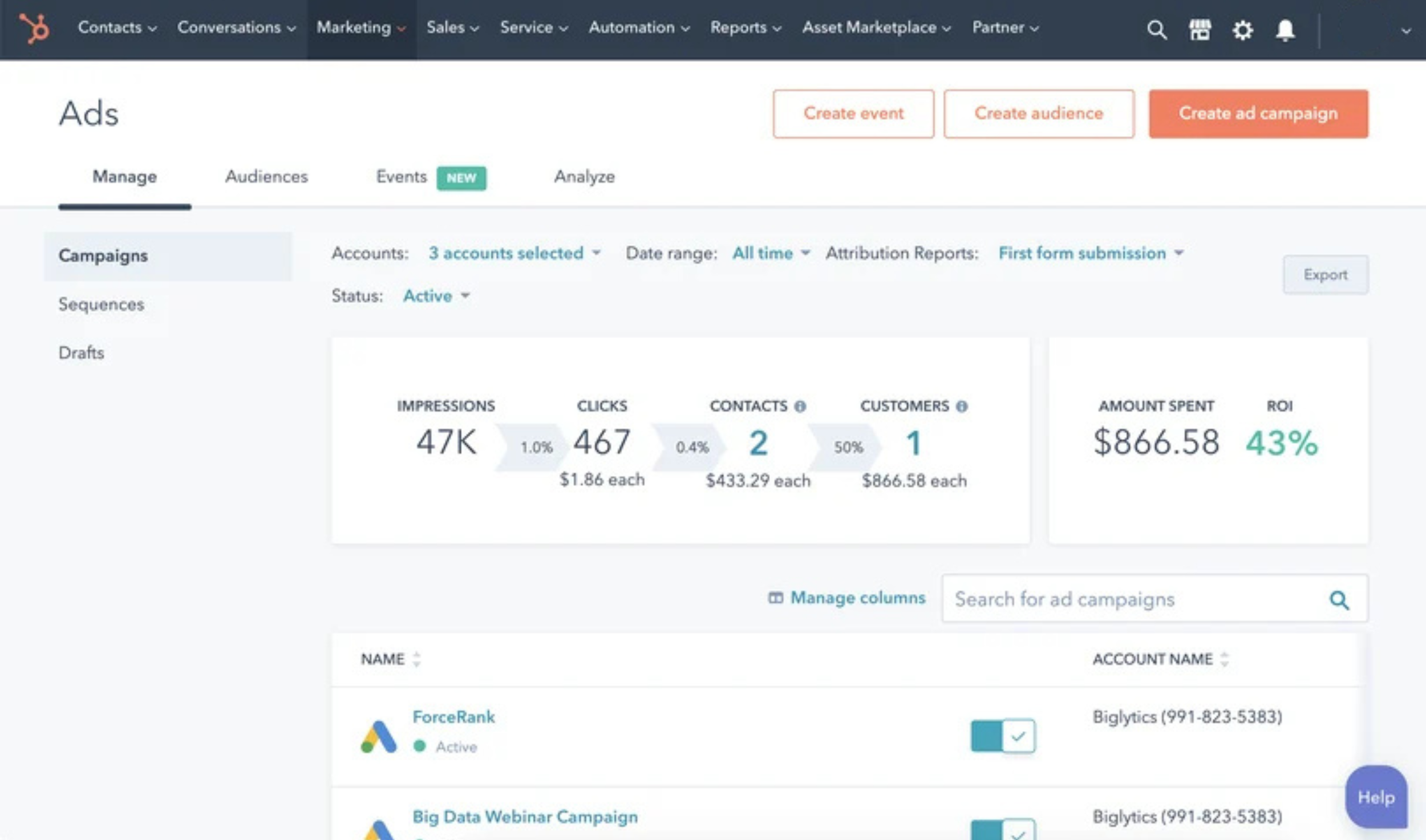
If you’re running ad campaigns for your clients but not connecting their ad accounts to a CRM like HubSpot, you’re leaving serious performance insights and revenue on the table.
In a competitive market, there’s no room for guessing which ads are actually driving results. By connecting your ad accounts to HubSpot, you unlock a new level of targeting, reporting, and ROI clarity. Here’s how it can give your agency a real edge:
1. Sync Custom Segment Lists Directly to Google & Meta Ads
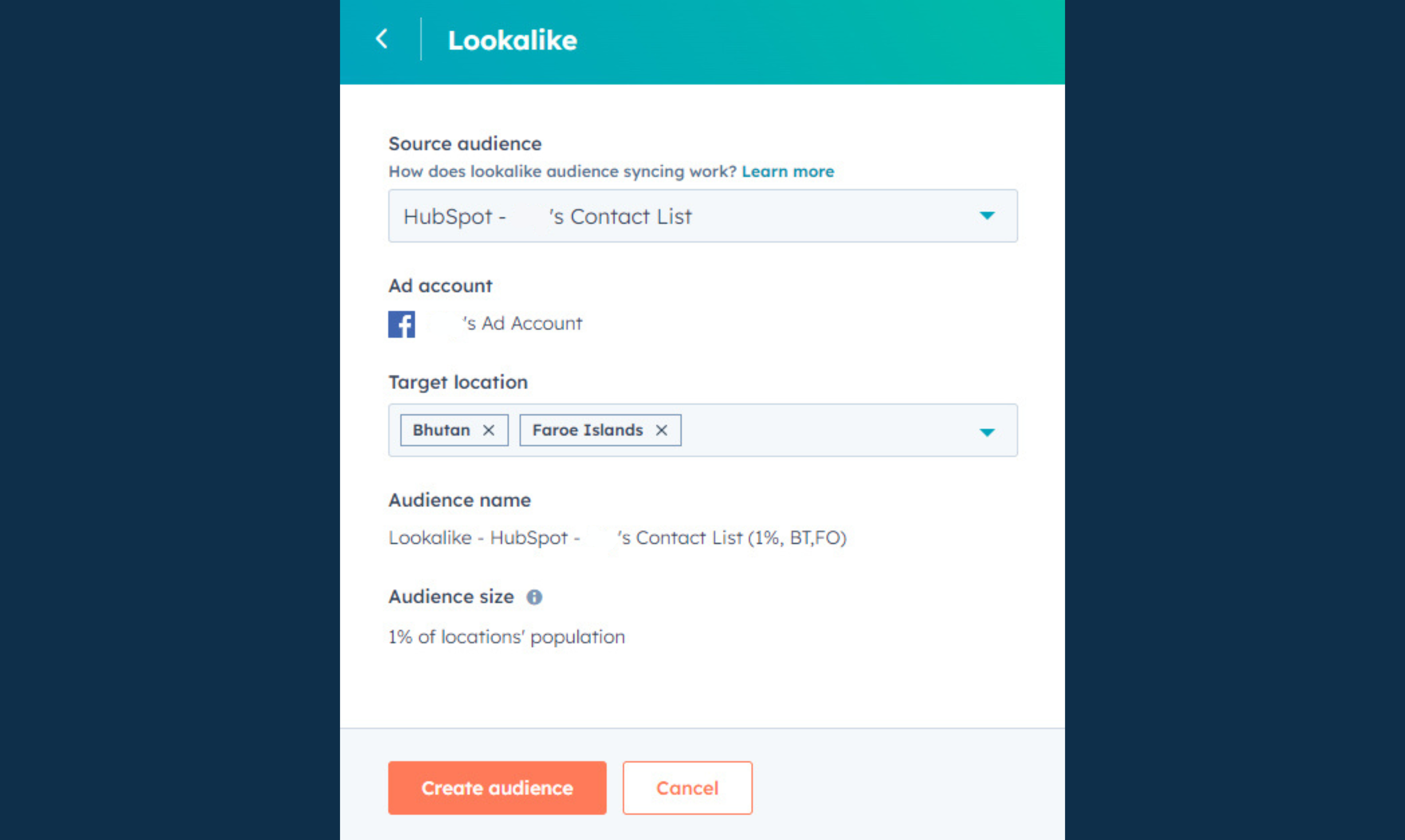
Imagine being able to instantly target people based on their exact engagement with your client’s business, without messy manual uploads.
With HubSpot, you can sync dynamic lists straight to Google Ads or Meta Ads.
For example:
Create a list of everyone who showed interest in Product A
HubSpot automatically sends it to your ad platform
That audience appears ready-to-use for hyper-relevant creative
This means your targeting is always fresh, always relevant, and always aligned with your client’s actual customer data.
2. Feed Back Custom Events to Help Ad Platforms Optimise
Better data means better optimisation. HubSpot allows you to send custom conversion events (like when a deal is associated with a contact, or when they officially become a customer) back into your ad account.
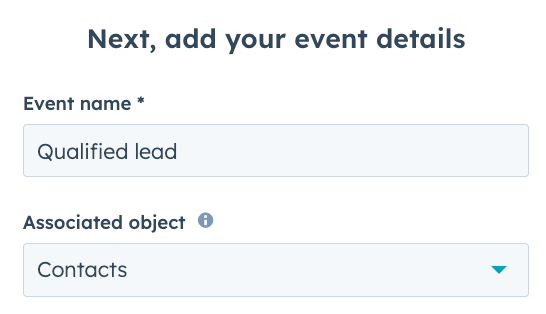
By feeding platforms like Google and Meta this enriched data, their algorithms learn which behaviours truly matter, so they can find more high-value prospects, not just people who click.
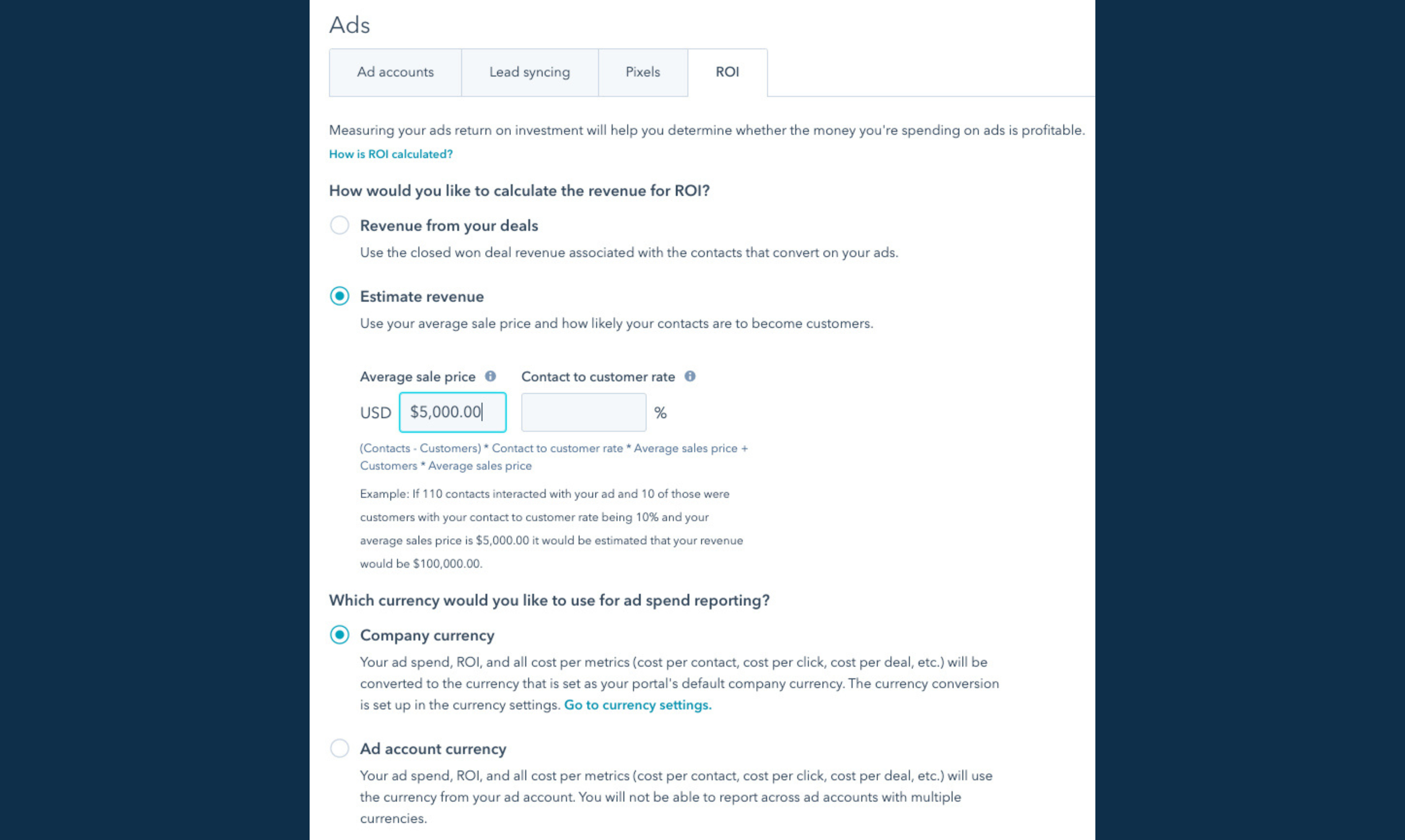
3. Get True ROI Reporting — Even With Long Sales Cycles
Tracking real ROI is often the missing piece in agency reporting. With HubSpot, you have two powerful options:
Actual revenue: Assign actual deal revenue to your campaigns for precision tracking.
Estimated revenue per lead: Perfect for long sales cycles where revenue realisation is months away.
This means you can show your clients an accurate or estimated ROI from day one, instead of waiting for deals to close.
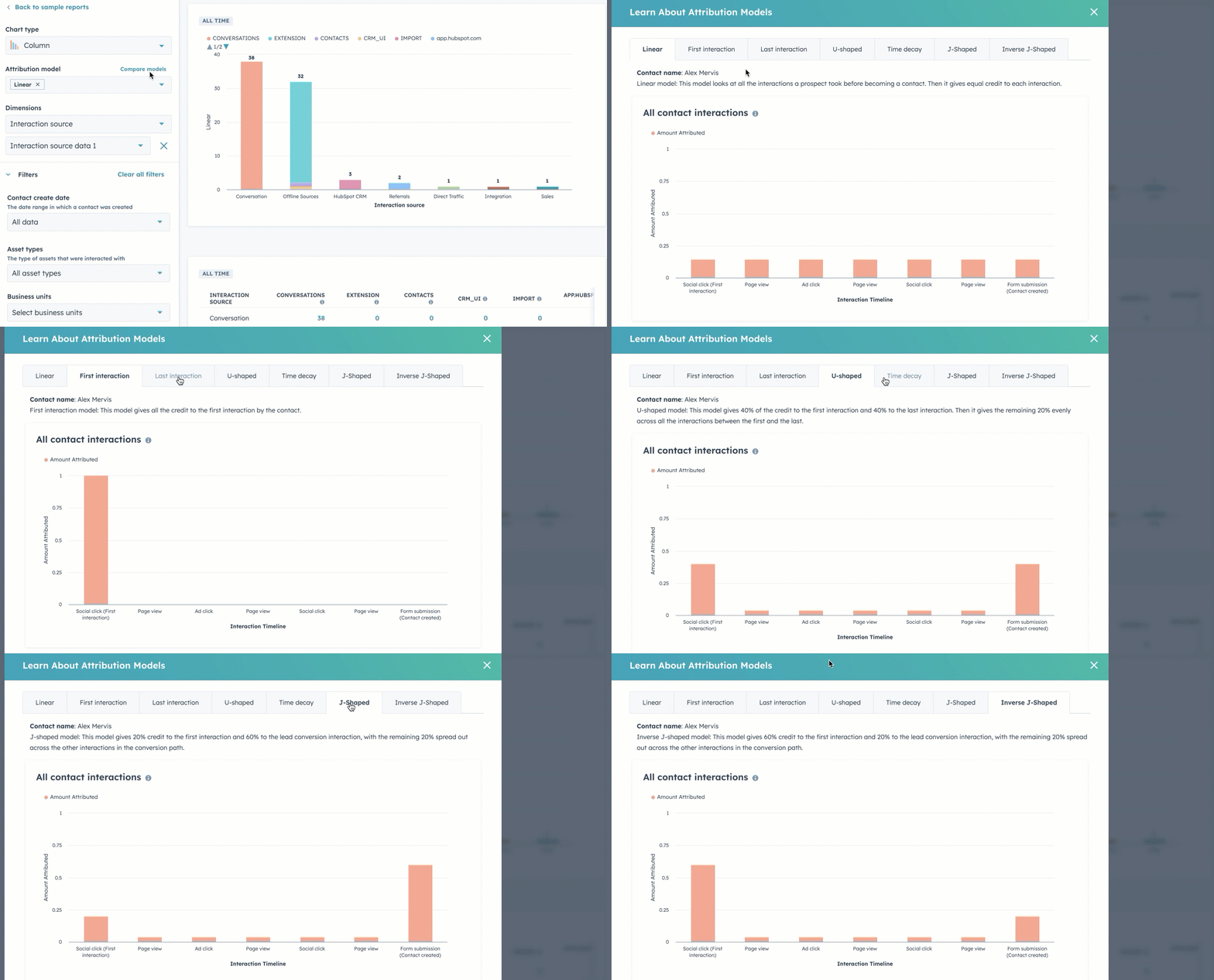
4. Drill Down to Cost Per Campaign With Real Lead Quality
Vanity metrics can be dangerous. A campaign generating 10 leads might look better than one with 5, until you see the CRM data:
Campaign A’s 10 leads = window shoppers.
Campaign B’s 5 leads = all closed deals.
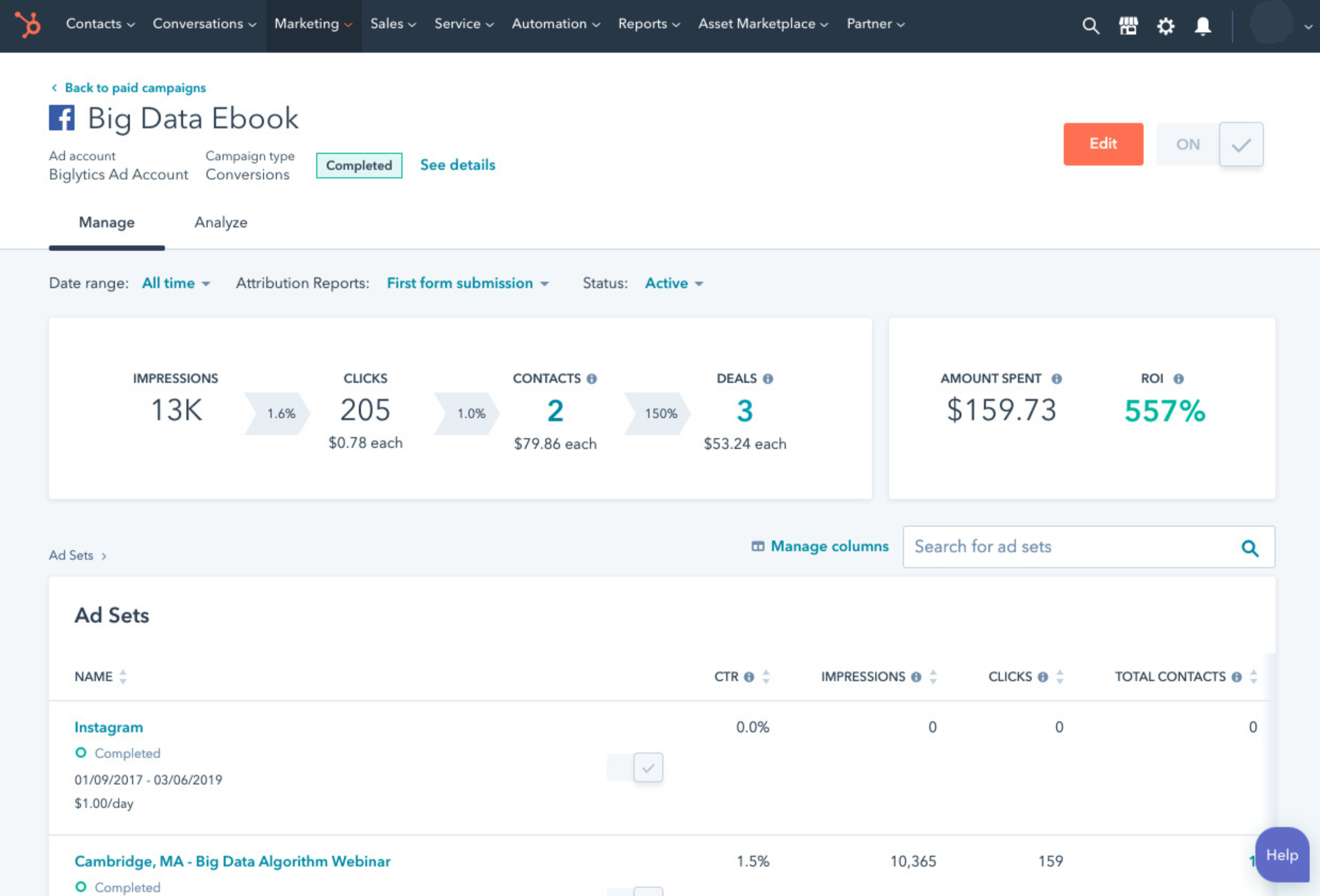
HubSpot ties campaign costs directly to lead quality and conversion data, giving you a crystal-clear view of which campaigns actually deliver profit.
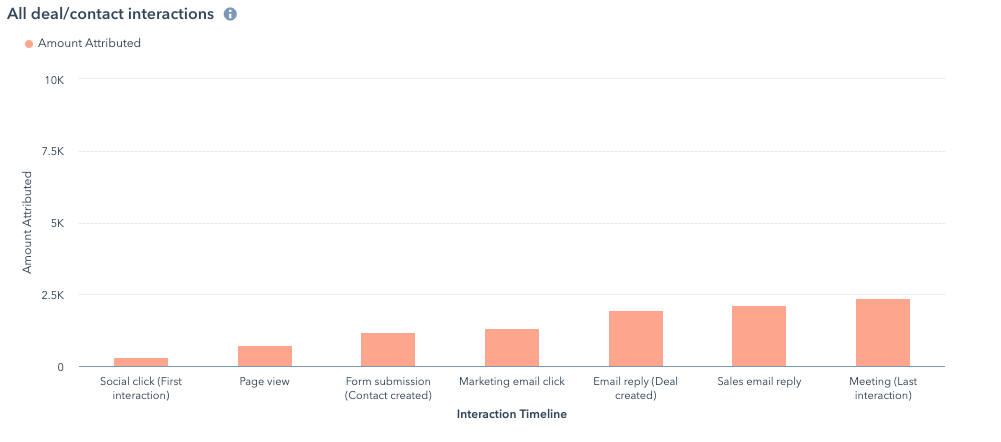
5. Unlock Full Attribution Modelling
With HubSpot’s attribution reporting, you can explore multiple models and drill down by:
Campaign
Ad group
Individual keywords
This level of visibility lets you confidently prove your value and optimise spend where it matters most.
If you’re managing ad campaigns, you need your clients on a CRM like HubSpot. It’s not just about better targeting, it’s about proving the ROI of your hard work and optimising every dollar spent.
At Zippily, we help agencies implement and leverage HubSpot so they can connect the dots between ad spend and revenue. The result? Clients realise you’re not just making it pretty, you’re making it count.
