
The System You Never Had Time to Build

A founder friend once walked through their entire CRM vision during a coffee meeting.
They described exactly how leads should flow from the website into the system, how lifecycle stages should change based on behaviour, and what reporting should show at the end of each month. They even had a clear view of how marketing and sales should share visibility on deals.
None of it sounded unrealistic. It sounded like a sensible operating system for a growing SaaS company.
Six months later, the CRM looked almost the same as it did before that conversation.
This pattern shows up often in SaaS. Founders understand software well enough to picture how their systems should work. They know what data they want to see, which workflows would remove manual work, and which reports would help them make decisions faster.
What they rarely have is the uninterrupted time required to build those systems properly.
The Gap Between Knowing and Doing
Running a startup fragments attention by design. One hour disappears into a product discussion, the next into hiring plans, and the afternoon into customer calls. Even when someone intends to clean up the CRM, the work requires longer stretches of focused thinking than the schedule usually allows.
It’s not a quick tweak.
Designing lifecycle stages means agreeing on what a qualified lead actually is. Reporting requires consistent data structures so marketing and sales interpret the same numbers the same way. Automations require careful thought because shortcuts eventually create edge cases.
What begins as a small configuration task quickly turns into system design.
And system design rarely wins against whatever feels urgent that day.
When Systems Grow Without Structure

When a CRM evolves this way, it becomes a collection of partial solutions rather than a deliberate structure.
A field gets added for a campaign. A pipeline stage appears for a specific deal type. Another property shows up because someone thinks it might be useful later. None of those decisions are wrong individually, but over time the system becomes cluttered.
Marketing runs campaigns without a clear lifecycle structure. Sales tracks deals in the pipeline, but the data doesn’t connect cleanly to the source that generated the opportunity. Leadership asks where revenue is coming from and the answer involves exporting spreadsheets from several tools.
The data exists. It just doesn’t tell a clear story.
The Quiet Cost of CRM Complexity
At that point the CRM becomes harder to use, even if it technically contains more capability.
People open a contact record and see dozens of fields without knowing which ones matter. Reports exist, but nobody feels confident relying on them. Dashboards multiply because each team builds its own version of the truth.
That environment creates hesitation throughout the day.
Someone pulls a report and pauses to ask whether the numbers can be trusted. A campaign review turns into a discussion about data quality instead of performance. Sales updates a deal stage but still keeps a personal spreadsheet, just in case.
None of this looks dramatic, but it quietly drains momentum.
What Changes When the Structure Is Right
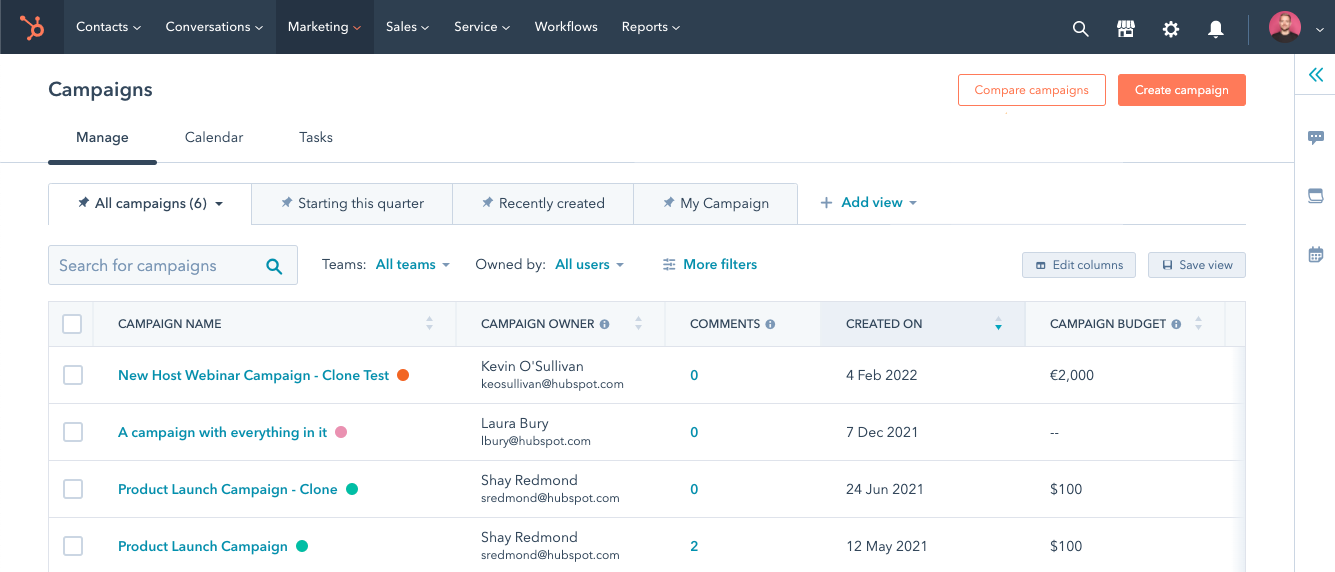
When a CRM is configured with a clear structure, something shifts.
Marketing sees the fields that matter for tracking campaigns and lead progression. Sales focuses on stages that reflect the real buying journey. Leadership opens a dashboard and understands the state of the business without interpreting multiple reports.
Instead of forcing teams to figure out how the system works each time they use it, the CRM reflects how the company actually operates. The information appears where people expect it, reporting tells a coherent story, and decisions happen without second-guessing the numbers.
The Real Constraint for Founders
Most founders already know this.
They know what their pipeline should look like. They know the reporting they want. They know the CRM isn’t structured the way it should be.
The problem is simply time.
So the ideas stay conceptual while the team works around a half-finished system. Over time the CRM fills with workarounds, duplicate fields, and reporting inconsistencies that make the system harder to fix than it should be.
Speed comes naturally in the early days. But at some point, speed stops coming from hustle and starts coming from having the right systems underneath the team.
