
Lead Quality Starts With Process

There’s a familiar moment that happens in many marketing meetings.
Sales says the leads aren’t good enough. Marketing points to the number of leads generated. Someone suggests marketing should “target better prospects,” and the conversation slowly turns into a quiet argument about performance.
Most marketing leads have sat in that meeting at least once. The tension feels personal, but it rarely is. Lead quality debates usually look like a people problem. In reality, they are almost always a process problem.
Across many B2B teams, especially smaller organisations where people wear multiple hats, marketing is often juggling campaigns, reporting, CRM updates, and stakeholder expectations all at once. Sales is under pressure to close revenue and wants fewer, stronger opportunities to work on. When those pressures collide, “lead quality” becomes the easiest explanation.
But the issue usually sits somewhere deeper than targeting or copy.
Lead quality is rarely about the leads
Marketing teams often assume that if sales is unhappy with leads, the problem must be audience targeting or campaign strategy.
That’s sometimes true, but far less often than people think. More often, the real issue sits in the path between marketing activity and the sales pipeline. Leads are captured, but they enter the
CRM without consistent qualification. Different sales reps interpret lead stages differently, and marketing reports on one definition of a qualified lead while sales operates on another.
From marketing’s perspective, the leads look perfectly reasonable. From sales’ perspective, they look premature. Both sides can be technically correct at the same time.
When the process between marketing capture and sales engagement is unclear, quality becomes subjective. What one person sees as an early-stage opportunity, another sees as wasted time.
The hidden gap between marketing and sales
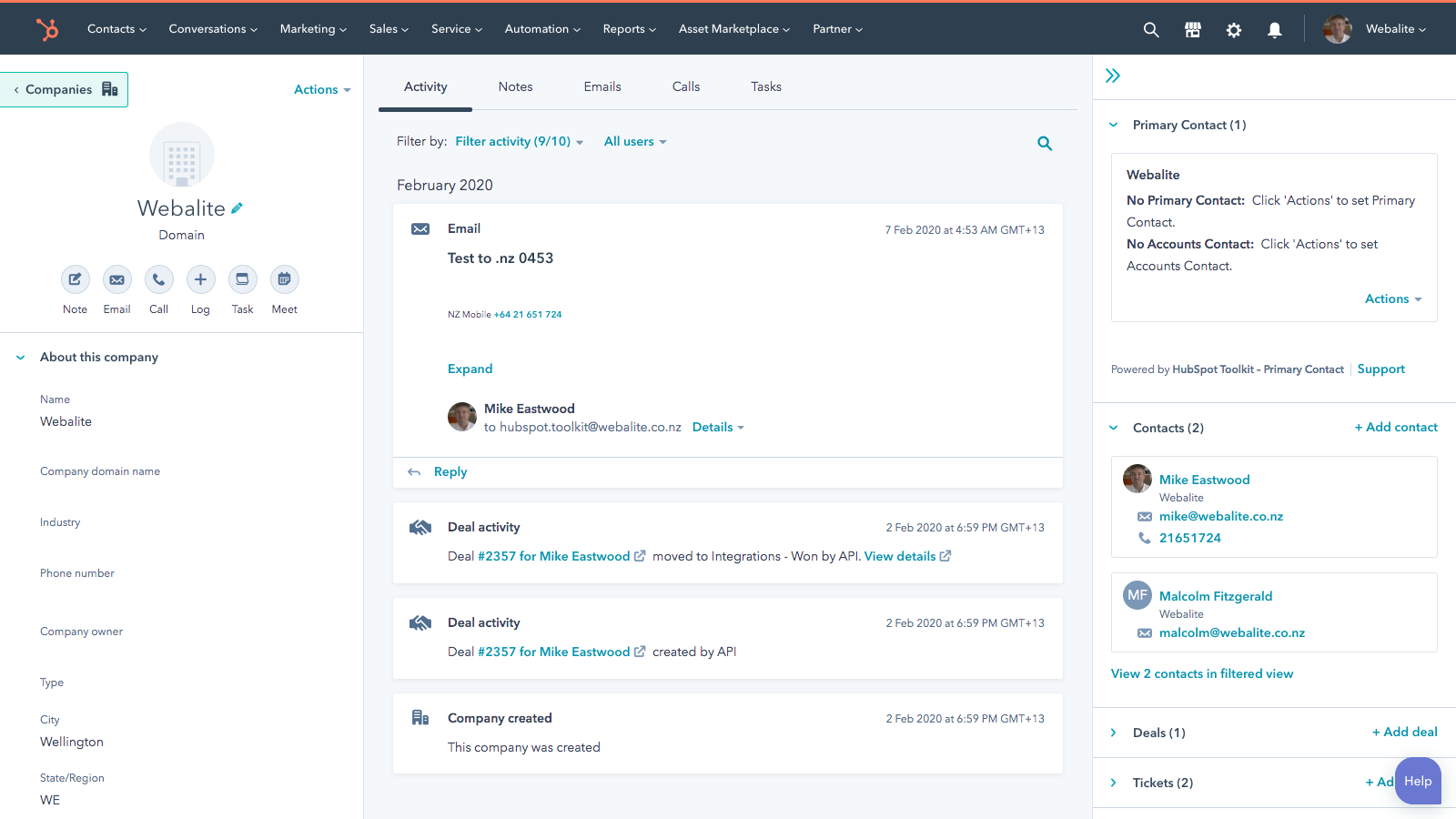
Many marketing leaders assume alignment already exists because both teams use the same CRM. The tool alone doesn’t create alignment. What actually matters is how the CRM defines the journey from initial interest to sales conversation. Without shared lifecycle stages, teams end up speaking different operational languages.
Marketing might define a Marketing Qualified Lead as someone who downloaded a guide and works at the right company size. Sales might define a qualified lead as someone who has budget and an immediate project. Neither definition is wrong. They’re simply different.
Without an agreed structure in the CRM, those definitions sit in people’s heads instead of inside the system. Marketing celebrates lead volume while sales quietly filters out half the records before making a call.
From the outside, it looks like marketing is producing weak leads. In reality, the system never defined what “strong” meant.
CRM alignment removes the friction
The fastest way to reduce lead quality complaints isn’t another targeting workshop, it’s operational clarity.
Marketing and sales need to agree on a small number of shared lifecycle stages inside the CRM. Each stage should answer a simple question: what has actually happened that moves this lead forward?
● Has the person requested a demo?
● Has a meeting been booked?
● Has a sales rep confirmed the opportunity is real?
When these milestones are recorded consistently, the conversation shifts.
Instead of arguing about lead quality, teams can look directly at conversion points. If many leads enter but few become sales conversations, marketing can adjust targeting. If meetings happen but deals stall, the sales process might need attention.
The discussion then becomes diagnostic rather than defensive.
Shared definitions solve more than people expect
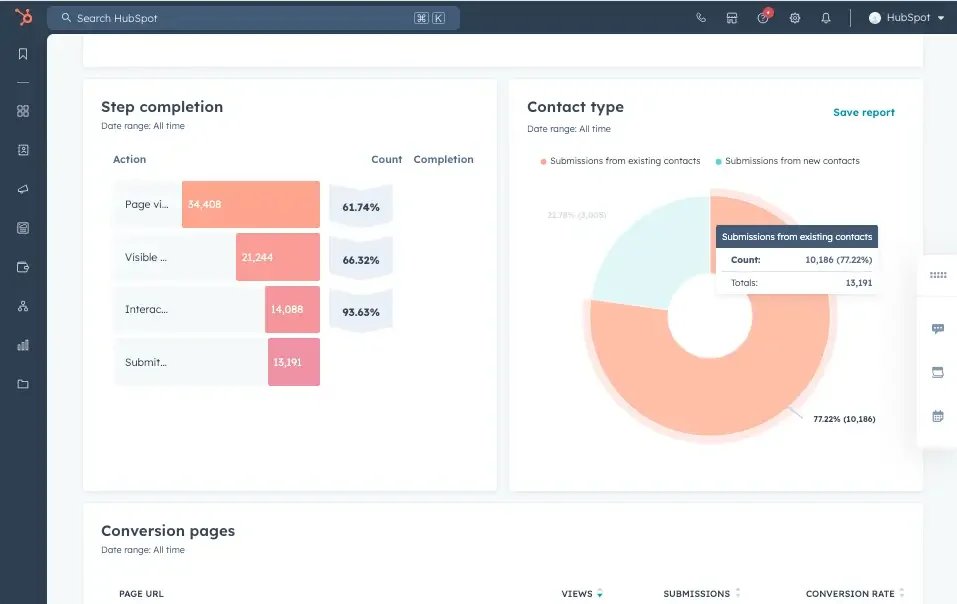
Marketing and sales teams often assume alignment requires complex reporting or detailed service-level agreements.
Most of the time, the fix is simpler. Define what counts as a lead. Define what counts as a qualified lead. Define what counts as a sales opportunity. Then make sure those definitions exist inside the CRM, not just in a slide deck.
Once those definitions are operational, reporting becomes clearer and the tension around lead quality fades quickly. Sales knows when a lead is genuinely ready for outreach, and marketing can track how early interest turns into pipeline.
Both teams are finally looking at the same picture.
The conversation marketing leaders should start
When sales complains about lead quality, the instinct is often to defend marketing performance. A better response is curiosity.
Ask how sales defines a good lead. Compare that with how marketing currently measures qualification, then check whether the CRM actually reflects either definition.
Once the process is clarified, the debate usually quiets down. The issue was never about lead quality alone. It was about how the organisation defined progress from interest to opportunity.
Process doesn’t remove pressure between marketing and sales. Revenue targets still exist, but it removes the confusion that turns normal operational friction into unnecessary conflict.
When marketing and sales share the same definitions inside the CRM, “lead quality” stops being a complaint and starts becoming a measurable stage in the growth engine.
