Purpose vs. Proof: Proving Not-for-Profits Impact
For many Not-for-profit (NFP) organisations, the gap between "doing the work" and "proving the impact" can feel like a massive hurdle. It’s a common scenario: a programme is delivering real results in the community, the team is working at 100% capacity, yet the funding applications keep hitting a wall.
The feedback from funders is often pretty blunt. It’s rarely that they don't value the mission; they just don't see the evidence to back it up. This isn't just a reporting issue, it’s an operational one. Too many great organisations struggle to translate their daily energy into something a funder can confidently invest in.
Purpose gets a foot in the door. Proof closes the deal.

Most NFPs lead with their "why," and rightly so, it’s what attracts volunteers and builds early momentum. But when it comes down to the brass tacks of funding decisions, the conversation shifts.
Funders are looking for clear outcomes. Not just what was hoped would happen, but what actually did. They’re asking the practical stuff: How many people actually engaged? What changed for them? Which programmes are consistently hitting the mark? If those answers are a bit "thin on the ground," even the most mission-driven organisations can get passed over.
The work is happening; it’s just a bit invisible
Inside most NFPs, the effort is 100% there. The snag is usually how that activity is being captured. From an operational standpoint, it can often be a bit of a mess:
Volunteer hours are tucked away in various spreadsheets that don't talk to each other.
Sign-up sheets for events are floating around in someone’s car or an old email thread.
Sponsor chats live entirely in one person’s head, meaning if they’re away, the relationship is on ice.
When data is fragmented, teams are forced to reconstruct their impact after the fact, usually under a tight deadline. This leads to reporting that feels like a "best guess" rather than being bulletproof. It’s a visibility problem, not a lack of effort.
How a CRM actually moves the needle

This is where a Customer Relationship Management (CRM) tool stops being a "tech thing" and starts being a core part of your mission. For most NFPs, the choice often comes down to two paths, and picking the right one depends on how your team likes to work:
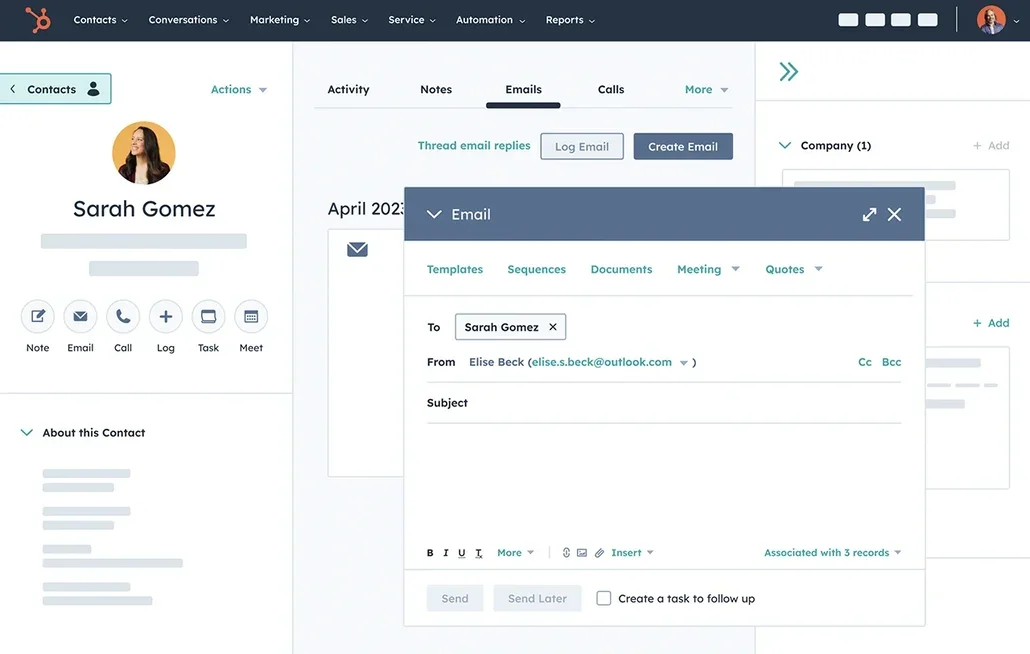
HubSpot: The All-in-One Engine. HubSpot is a powerhouse for organisations that want to scale their outreach. Because it combines email marketing with a database, you can automate your "stewardship." For example, when a donor hits a certain threshold, the system can automatically trigger a personalised project update. It ensures no one falls through the cracks and gives you a clear paper trail of engagement that you can export for a board report in two clicks.
Attio: The Flexible Workhorse. Many NFPs find traditional CRMs a bit too "boxy" or corporate. Attio is the antidote to that. It’s incredibly fast and lets you build custom "objects" so if you need to track "Local Business Partnerships" alongside "Grant Milestones" and "Volunteer Induction Status," you can build that view in minutes. It’s perfect for teams that need to map complex, non-linear relationships without the clutter of a sales-heavy system.
By using tools like these, you aren't just storing names and numbers; you're building a live dashboard of your community's pulse. It turns "I think we're doing well" into "Here is exactly how we've grown over the last six months."
Building your "Proof Engine"
Proving impact isn't about capturing every single data point; it’s about capturing the right ones. From an operational perspective, this usually falls into three categories that funders actually care about:
Breadth (Reach): Who are you helping, and is that group growing? A CRM makes this easy by tagging contacts by demographic or region automatically.
Depth (Engagement): Are people just showing up once, or are they sticking around? Tracking "touchpoints" in Attio or HubSpot shows the journey from a first-time attendee to a long-term beneficiary.
Distance Travelled (Outcomes): This is the gold standard. By using automated surveys linked to your CRM, you can track a participant’s status before and after your programme. Instead of telling a funder "we helped people," you can show them "70% of our participants reported a significant increase in wellbeing after three months."
When these three metrics live in one system, "proving impact" stops being a creative writing exercise for a grant application, it becomes a simple export of the facts.
Why structure is a game-changer
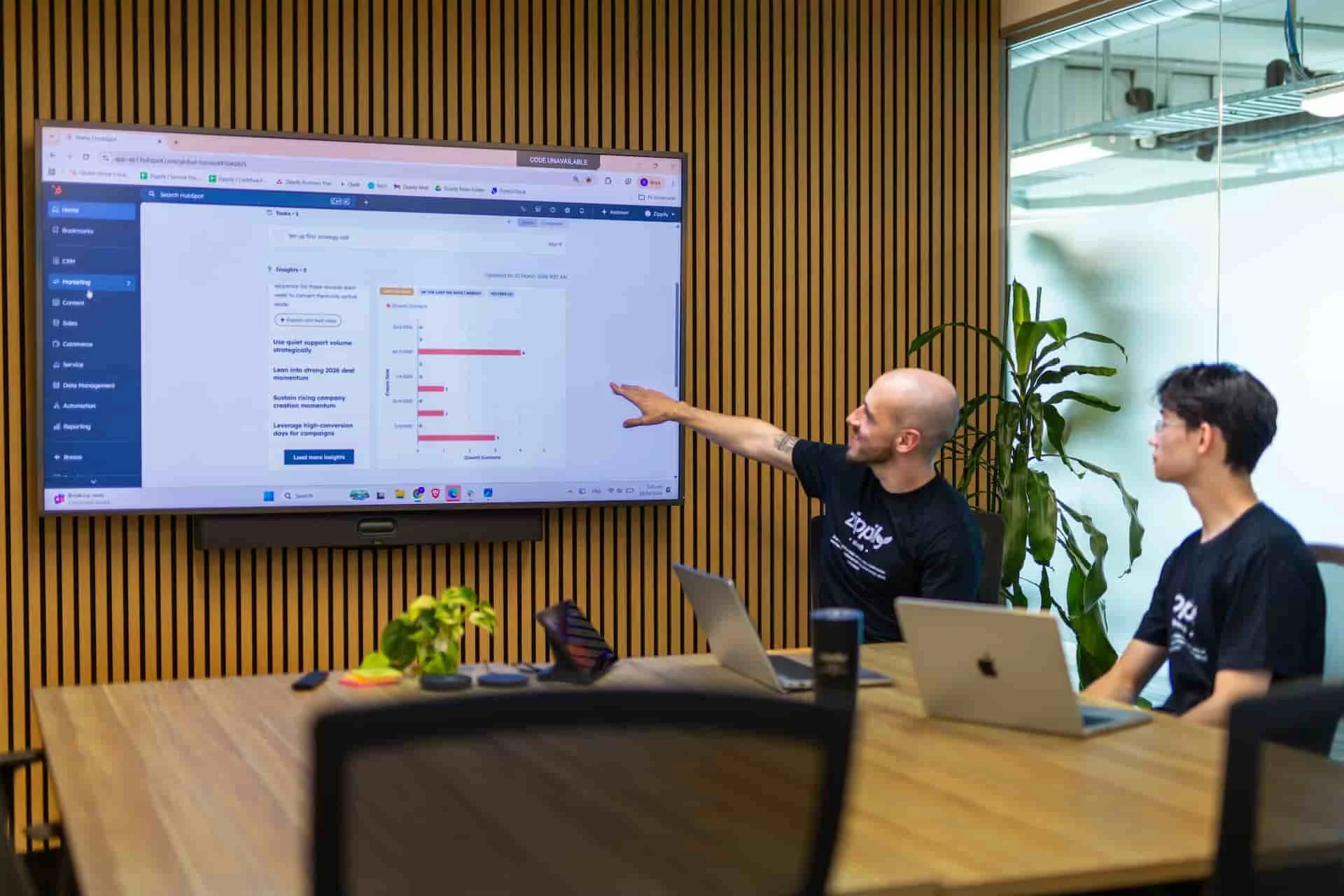
Improving things isn't about buying the flashiest new software; it's about putting a simple framework around what matters. When a CRM is set up properly, it becomes the "single source of truth."
Volunteers: Their hours and impact are tied to their names, making it easy to see who your "super-users" are.
Events: Attendance, feedback, and follow-up activity sit in one place, so you know which sessions actually lead to long-term engagement.
Sponsors: Every interaction and outcome is documented, ensuring you can show a partner exactly what their contribution achieved.
Once that structure is sorted, reporting stops being a separate exercise to dread. It’s just there, ready to go whenever it’s needed, whether that’s for a government audit or a coffee with a potential major donor.
The long and short of it
It’s easy to think a new tool will fix a messy process, but if the internal structure is a bit "all over the shop," a CRM will just reflect that chaos. The goal is to make it dead easy for the team to record the right info at the right time, once you get that operational buy-in, the rest follows.
Funding shouldn't be a game of "apply and hope"; it’s about how clearly an impact can be demonstrated. While purpose is the heart of the beast, data is the backbone that keeps an organisation sustainable. If the impact is clear inside the system, it’s in a far better spot to be shown to the rest of the world.
